🌐

Choose Your Language

Magazine-Bag supports 5 languages. Pick the one you're most comfortable with.

Back
Back
Contemporary

Sahara Desert: Secrets of Earth's Harshest Land

From the Birth of the Desert to the Future Green Sahara

Published in 2024min read
🏜️

formation origins

Birth and Geology of the Sahara

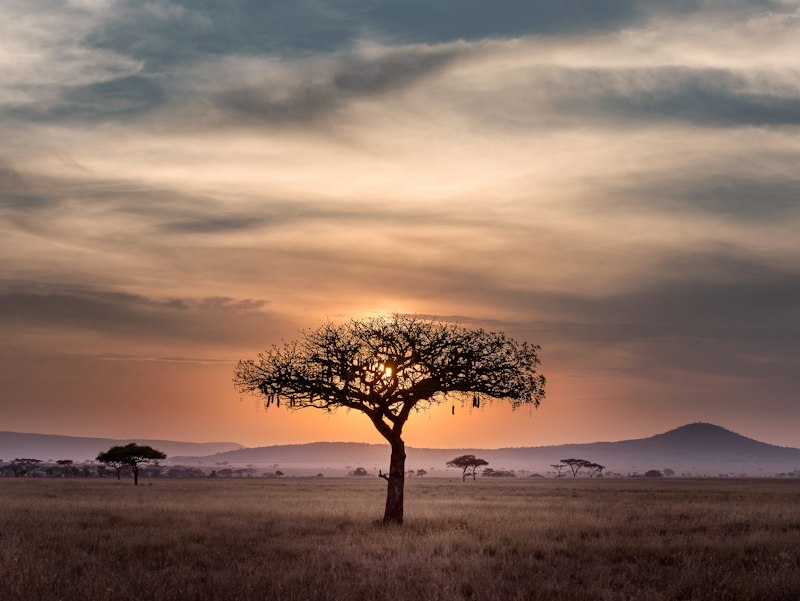
The Sahara began gradually drying about 7 million years ago, but became the hyper-arid desert we know today approximately 5,000 years ago. Subtle changes in Earth's rotational axis (Milankovitch cycles) weakened the North African monsoon, transforming the 'Green Sahara' into today's golden desert. 8,000 years ago, crocodiles and hippos lived in the Niger river basin, and rock art shows giraffes and elephants.

Click each terrain type to explore
Sahara Terrain Cross-Section Explorer

sword divider
🌵

ecosystem life

Extreme Ecosystem and Life

The Sahara is not a land without life. Thousands of species including camels, fennec foxes, and Saharan cypress have adapted to this extreme environment. Camels store fat in their humps to survive for months, while fennec foxes dissipate heat through their large ears. Oases are islands of life, holding fossil water that rises from thousands of meters underground.

Click each card to reveal survival strategies

Extreme Survival Strategy Explorer

knot divider
🌡️

climate environment

Climate Change and Desertification

Paradoxically, parts of the Sahara are actually 'greening' recently. This is because increased CO₂ promotes plant growth and some areas receive more rainfall. However, desertification in the Sahel region continues, threatening the lives of millions. The 'Great Green Wall' project involving 11 African nations is creating an 8,000km tree belt to halt desertification.

Green Sahara vs Today: 10,000 Years of Change

~10,000 Years Ago (African Humid Period)

  • 🦛Hippos, crocodiles & giraffes roamed
  • 🌊Lake Chad was 6x its current size
  • 🌾Grasslands & savannas — early farming civilizations
  • 🎨Rock art shows giraffes, elephants & cattle

Today (Hyper-Arid Desert)

  • ☀️Max 58°C recorded (Tunisia, 2011)
  • 🌧️<25mm annual rainfall (center)
  • 🌙Temperatures fall below 0°C at night
  • 💨Harmattan storms: carry dust to West Africa

Milankovitch Cycles — Earth's Axis Created the Sahara

Desertification Status

48 km/yr
Sahel Advance/yr
250M+
Affected Population
9.2M km²
Sahara Area
compass divider
👨‍👩‍👧

human nature

Human Adaptation and Civilization

The Tuareg people have lived crossing the Sahara for thousands of years. They were key players in trans-Saharan trade, exchanging salt, gold, and ivory with camel caravans. Their blue clothing and veils are functional garments protecting against sandstorms and sun, but also symbols of identity. Today, climate change and border controls threaten their traditional way of life.

Tuareg People — Masters of the Sahara

💙

'Blue People of the Desert' — tagelmust headcloth blocks sandstorms, UV, and daytime heat

🐫

Camel caravans traded salt, gold & ivory — masters of trans-Saharan trade for millennia

🌙

Celestial navigation hundreds of km at night — avoiding extreme daytime heat

⚠️

Today, climate change and border controls severely threaten traditional nomadic life

Trans-Saharan Trade Routes (History)

Secrets of the Oasis

💧

Fossil water (millions of years old) rising from thousands of meters underground — lifeline of Saharan peoples

🌴

Date palm: 'tree of life' — food, shade, and building material simultaneously

🏙️

Oasis cities like Timbuktu & Gao flourished as medieval Islamic centers of learning

lotus divider
🌱

future conservation

The Future Green Sahara

By 2100, climate change may further expand the Sahara, but simultaneously there is the possibility of restoring a 'Green Sahara.' Scientists predict that if global warming continues, the North African monsoon may strengthen. Solar energy potential is limitless — solar panels covering the Sahara could meet the world's entire energy demand.

Sahara Desert Conservation Dashboard

Desertification Rate

Current

~48 km southward per year in Sahel

Target/Threshold

Great Green Wall targets halting expansion by 2030

Causes: climate change + overgrazing + farmland clearing. Millions in 11 Sahel nations face threats.

Desertification is not just sand spreading — it's a combined loss of soil moisture retention and vegetation. Once underway, reversal is extremely difficult.

African Great Green Wall Project

Current

~15% of target completed (as of 2024)

Target/Threshold

8,000km green belt + 100M ha land restoration by 2030

AU project launched 2007 with 11 nations. Creating a continent-spanning green belt from Senegal to Djibouti — the most ambitious environmental project in history.

Senegal already planted 12 million trees successfully. Ethiopia set a Guinness record planting 350 million trees in one day (2019). Nigeria and Burkina Faso restored millions of hectares.

Sahara Solar Energy Potential

Current

Hundreds of times global energy demand potential

Target/Threshold

Target: 15% of Europe's electricity from Sahara solar by 2050

Sahara averages 3,500+ sunshine hours annually. Covering a fraction of its 9.3M km² with solar panels could power the entire world.

Morocco's Noor Ouarzazate solar plant (580MW) is among the world's largest. The DESERTEC project envisions supplying Europe and the Middle East together with Saharan solar power.

Stage 1: FactsQuestion 1 of 2

What rank is the Sahara Desert among the world's deserts by size?

Explore This Article Deeper

Ready to Test Your Knowledge?

Take a quiz on this issue and track your learning progress.

Take Quiz